Viking Libra Float Out Marks Milestone for Hydrogen-Powered Debut
This site contains affiliate links for which I may be compensated. As an Amazon Associate I earn from qualifying purchases.
Viking Cruises has reached an important milestone with the float out of its newest ocean ship, Viking Libra.
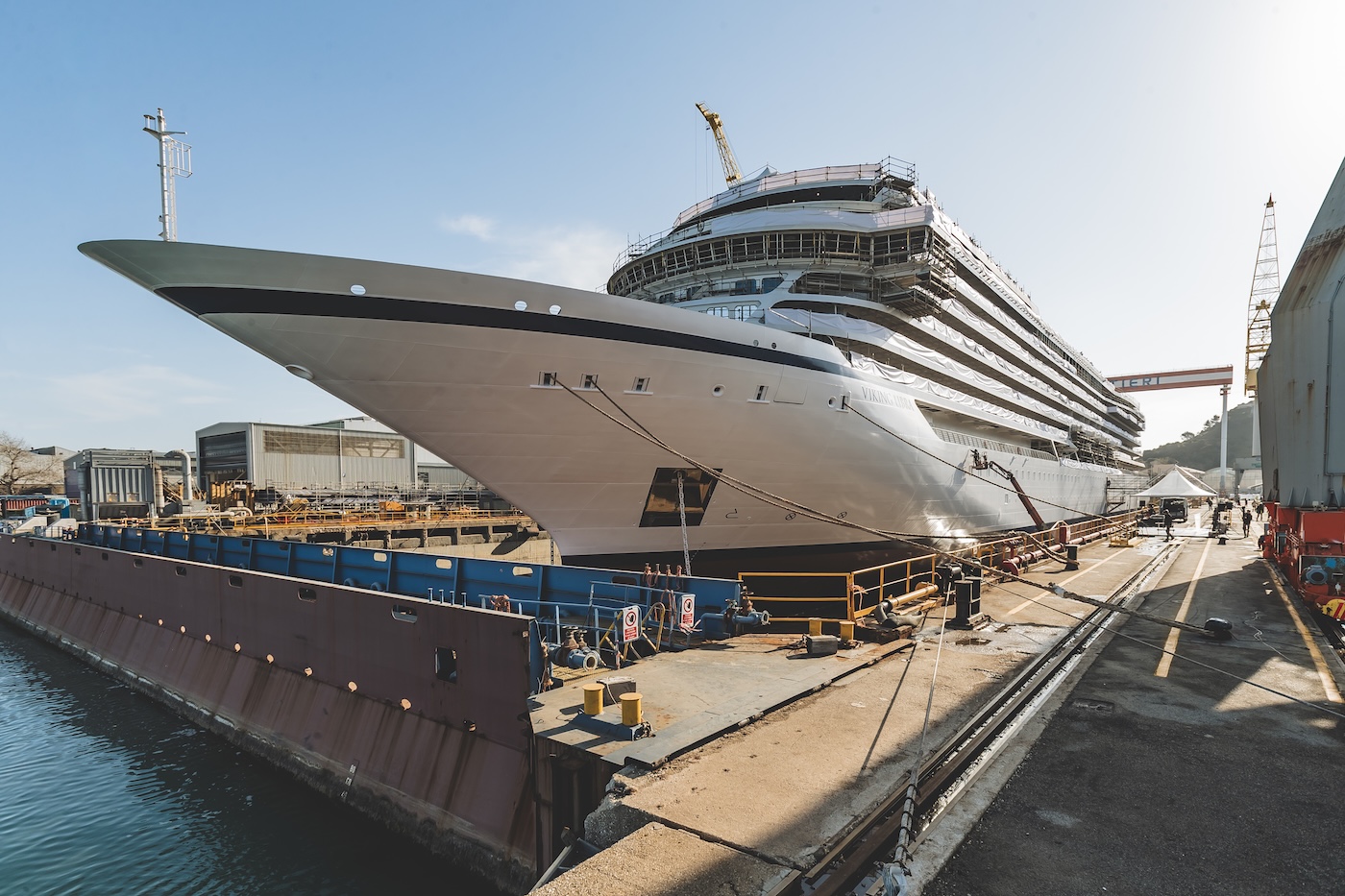
The event marks the first time the vessel has touched water, moving it one step closer to its planned debut in late 2026.
More than just a construction update, this ship is drawing attention for another reason. Viking Libra is being built as the world’s first hydrogen-powered cruise ship designed to operate with zero emissions.
What is a New Ship’s “Float Out”?
If you’re not familiar with shipbuilding, a float out is a key moment in the process.
Ships are constructed inside a dry dock, which is essentially a sealed basin kept free of water during the early stages of construction. When the structure is ready, the dock is slowly filled, allowing the ship to rise and float and touch water for the first time.
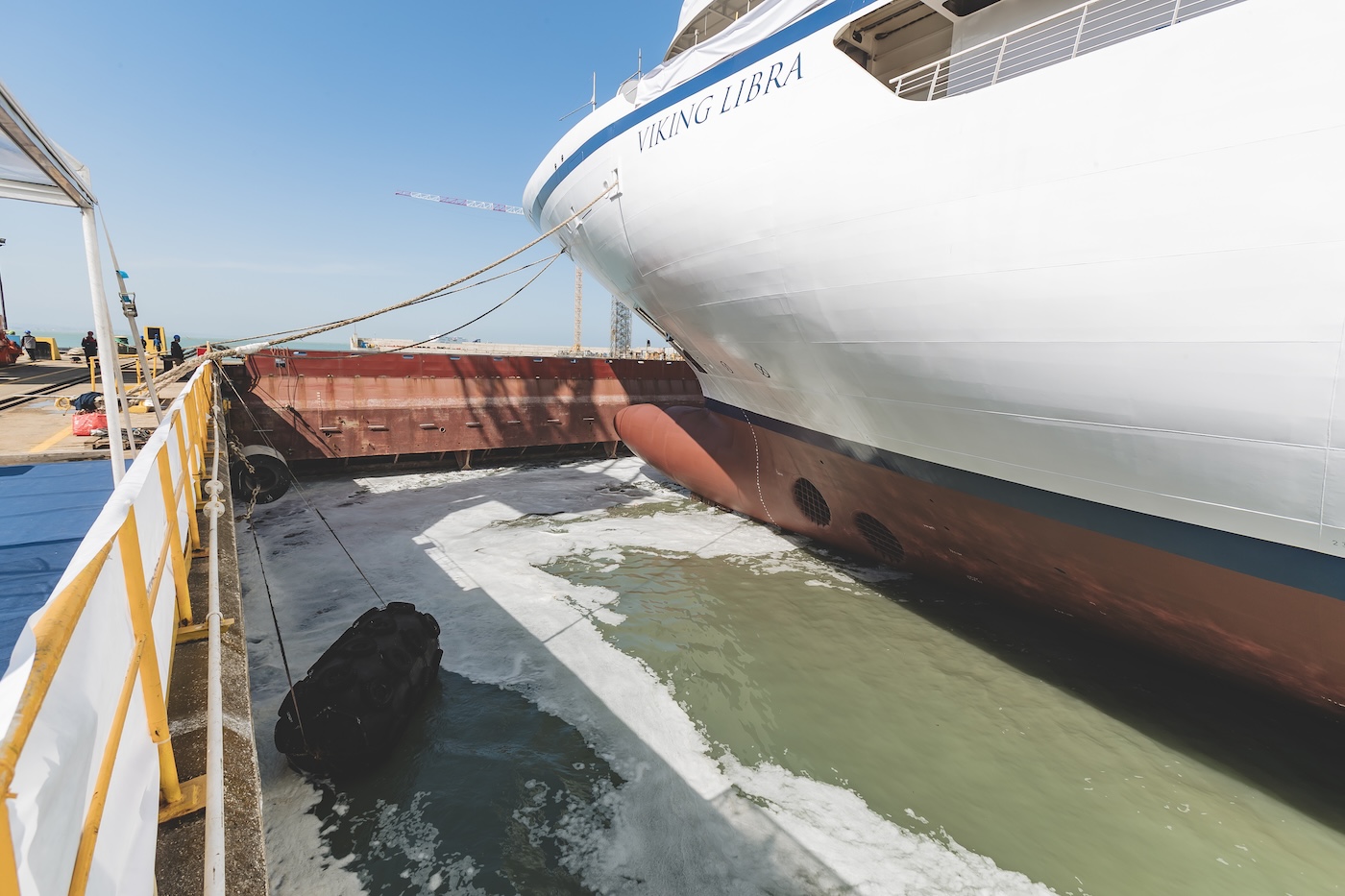
From there, the vessel is moved to an outfitting pier where the detailed work begins. Interiors are completed, systems are tested, and finishing touches are added before sea trials.
The float out for Viking Libra took place at Fincantieri’s shipyard in Ancona, Italy, where Viking has built many of its ocean ships.
A Different Approach to Cruise Ship Power
What sets Viking Libra apart is its propulsion system.
The ship will use a hybrid setup that includes liquefied hydrogen and fuel cells to generate power. In practical terms, this allows the ship to operate with little to no emissions under certain conditions. This is a significant step forward compared to traditional marine fuels.
The system is designed to produce up to six megawatts of power, supporting both propulsion and onboard energy needs.
Viking has stated that this technology could allow access to destinations with strict environmental regulations, including areas that limit or prohibit conventional ship emissions.
Read my review of sister ship Viking Star
Ship Size and Onboard Experience
Viking Libra will follow the same design philosophy as the rest of Viking’s ocean fleet.
- Approximately 54,300 gross tons
- 499 staterooms
- Capacity for 998 guests
By keeping ships under the 1,000-guest mark, Viking is able to offer a more intimate onboard experience while also visiting ports that are often out of reach for larger vessels.
Another ship with similar hydrogen-based technology, Viking Astrea, is already under construction and scheduled to join the fleet in 2027.
What Makes Viking Different
For travelers unfamiliar with Viking Ocean Cruises, the experience is quite different from many mainstream cruise lines.
Viking does not focus on high-energy entertainment or family attractions. Instead, the emphasis is on destination-focused itineraries, cultural enrichment, and a quieter onboard atmosphere.
Public spaces are designed with a clean, Scandinavian look, and the overall pace onboard tends to feel relaxed rather than busy.
This approach has made Viking especially appealing to travelers who prefer a more thoughtful style of cruising.
Looking Ahead to 2026
With its float out now complete, Viking Libra moves into the final phase of construction. The ship is expected to be delivered in November 2026, with its inaugural season planned for the Mediterranean and Northern Europe.
While many new ships enter the market each year, Viking Libra stands out for what it represents.
It is not just a new addition to the fleet. It is part of a broader shift toward more sustainable cruising, and one that will likely be closely watched across the industry.


